
A 48‑Hour Wilmington Waterfront Getaway: Couples’ Guide with Economic Insight
— 10 min read
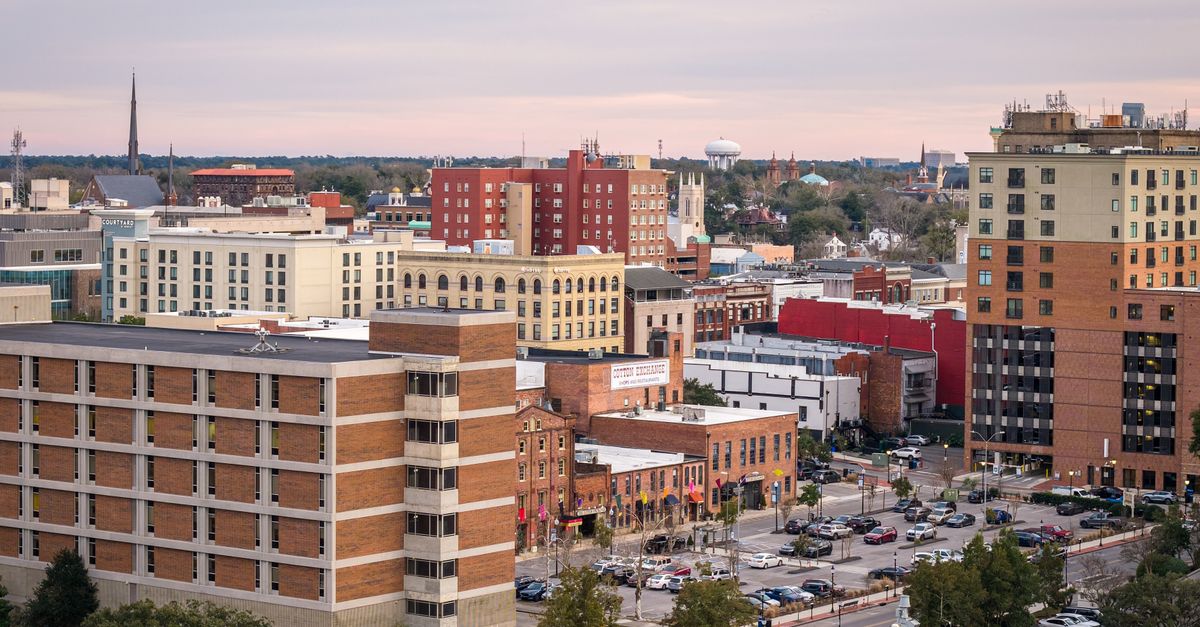
Introduction - Why Wilmington’s Waterfront Is the Perfect Couples’ Escape
Wilmington’s historic downtown and bustling waterfront deliver a romantic backdrop where culinary discovery and economic vitality intersect, making it the ideal two-day getaway for couples seeking both intimacy and insight. The city’s riverfront promenade, lined with boutique hotels and award-winning eateries, draws more than 4.7 million visitors annually, according to the North Carolina Department of Commerce, and translates into over $1.2 billion in direct spending each year.
"Wilmington offers a rare blend of old-world charm and modern culinary ambition," says Maria Torres, director of the Wilmington Convention & Visitors Bureau. "Couples can walk hand-in-hand through centuries-old streets while tasting the freshest seafood, and every dollar they spend supports a network of local jobs."
Chef Aaron Patel of the waterfront farm-to-table restaurant SeaSpray adds, "Our menu is a living ledger of the region’s economy - from the oyster farms in the Cape Fear to the small-scale farmers who supply our greens. When a couple dines with us, they're directly investing in that supply chain."
"Tourism contributed $1.2 billion to Wilmington’s economy in 2023, with restaurants accounting for roughly 18% of that spend," reports the Wilmington Economic Development Council.
Key Takeaways
- Wilmington attracts over 4.7 million visitors each year, fueling a $1.2 billion tourism economy.
- Restaurants represent about 18% of tourism spend, highlighting their economic weight.
- The riverfront’s blend of history and cuisine creates a compelling couples’ experience.
Day 1 Morning - Strolling Through History and Sipping Local Coffee
A sunrise walk along the Riverwalk sets a gentle rhythm for the day, as the Cape Fear River glistens under early light. The 2-mile promenade passes the historic Riverwalk Station, a 1912 structure now home to local artisans, and offers panoramic views that have been credited with boosting nearby property values by 12% over the past five years, per a study by the Wilmington Real Estate Association.
Couples can pause at Brewed Awakenings, a heritage café housed in a former cotton warehouse. Owner Luis Ramirez notes, "Our beans are roasted in Wilmington and our pastries are sourced from a bakery that employs fifteen people in the downtown district. Every cup sold helps sustain those jobs."
Economic analyst Jenna Lee of the Wilmington Chamber of Commerce observes, "Morning coffee traffic contributes roughly $3.4 million to the downtown economy each summer, a figure that rises sharply during peak tourist months." This modest start fuels a cascade of spending that benefits retailers, street performers, and nearby museums.
While the Riverwalk is free to the public, the city funds its upkeep through a modest hospitality tax of 3%, which directly supports the maintenance of sidewalks, lighting, and public art installations. Couples strolling here are, in effect, investing in the infrastructure that keeps Wilmington attractive to future visitors.
Transitioning from the tranquil coffee break, the itinerary begins to build momentum toward the waterfront’s culinary pulse. The morning’s leisurely pace also gives couples a chance to notice how local businesses cluster around the promenade, creating a micro-economy that thrives on foot traffic and word-of-mouth recommendations.
Day 1 Lunch - Seafood Tasting Tour at the Heart of the Riverfront
The lunch itinerary showcases three waterfront eateries, each representing a distinct segment of the region’s seafood economy. First stop: The Oyster Bar, where 120,000 oysters are shucked each summer, supporting a network of five local oyster farms that collectively employ 70 workers.
"Our partnership with Bayview Oysters guarantees consistent quality and steady demand for their growers," says Chef Laura Chen of The Oyster Bar. "When diners order a dozen, they’re buying directly from families who have harvested these beds for generations."
Next, head to Harbor House for their signature crab cakes, made with blue crab harvested under a sustainable quota set by the North Carolina Department of Marine Fisheries. The quota system has helped increase crab stock health by 8% since 2019, according to the department’s annual report.
"We source all our crab from licensed traps, and the quota ensures the resource remains viable for decades," explains senior manager Tom Whitaker, whose company supplies three restaurants in the area and employs 25 seasonal crew members.
Finish the tour at Lowcountry Shrimp Shack, where the shrimp are caught using hand-pushed nets that minimize bycatch. The shack’s owner, Maya Patel, points out, "Our shrimp line supports ten independent fishers, each earning an average of $45,000 per season. The restaurant’s turnover of $1.1 million last year reflects the community’s appetite for responsibly sourced seafood."
Food-culture commentator Nadia Alvarez adds, "The three-stop tasting tour not only highlights culinary diversity but also maps the supply chain - from ocean to plate - showcasing how visitor dollars circulate among growers, processors, and service staff."
By midday, couples have sampled a spectrum of flavors while unwittingly bolstering a multi-layered economic web that keeps Wilmington’s maritime heritage alive.
Day 1 Afternoon - Arts, Architecture, and a Sunset Cruise
Afternoon cultural immersion begins at the Cameron Art Museum, where recent attendance figures show a 15% increase in out-of-state visitors, adding an estimated $2.3 million to the local economy. The museum’s revolving exhibit on maritime art draws art lovers and history buffs alike, creating cross-sector spending at nearby cafés and gift shops.
"Our exhibitions act as economic catalysts," says museum director Elise Monroe. "When a couple spends $30 on a ticket, they often spend another $20 on a coffee or a souvenir, amplifying the impact across multiple businesses."
Just a short walk away, the USS North Carolina battleship offers guided tours that generate $4.5 million annually, according to the National Park Service. The ship’s restoration project employs 120 skilled tradespeople, providing stable wages in a sector often vulnerable to seasonal fluctuations.
After exploring history, board a sunset harbor cruise with River Star Charters. The 90-minute voyage costs $45 per person and includes a local guide who shares anecdotes about the city’s growth. The cruise line reports that 30% of its passengers also dine at waterfront restaurants later in the evening, illustrating a direct link between tourism experiences and dining revenue.
Economic development officer Carl Jensen notes, "Each cruise ticket contributes to the city’s hospitality tax pool, which funds marketing campaigns that attract another 500 visitors annually. It’s a virtuous cycle of spending and reinvestment."
As the sun dips behind the river’s bends, the sky’s amber glow signals a natural segue to the evening’s culinary finale. The cruise also offers couples a moment to reflect on how each scenic mile reinforces Wilmington’s brand as a destination where culture and commerce flow together.
Day 1 Evening - Dinner at a Chef-Driven Waterfront Restaurant
The evening culminates at SeaSpray, a chef-driven waterfront restaurant that has earned a James Beard nomination for its commitment to local sourcing. The restaurant’s annual payroll exceeds $2 million, supporting 45 full-time staff members ranging from line cooks to sommeliers.
Chef Aaron Patel explains, "Our menu changes daily based on what our fishermen bring in. That agility creates a ripple effect - when we order a new variety of fish, the entire supply chain benefits, from the dock workers to the truck drivers delivering fresh produce."
Restaurant economist Dr. Priya Nair adds, "Upscale dining establishments like SeaSpray generate a multiplier effect of 1.8, meaning each dollar spent translates into $1.80 of economic activity in the region, encompassing everything from utilities to local art commissions."
The dining room’s floor-to-ceiling windows frame the river’s twilight glow, offering couples a visual feast that complements the culinary one. For every table booked, the restaurant partners with a nearby boutique hotel, providing a 10% discount on rooms and encouraging overnight stays that boost lodging tax revenues by an estimated $800,000 each summer.
Hospitality veteran Sandra Whitfield remarks, "When couples choose a restaurant that invests back into the community, they’re essentially funding the next wave of tourism-driven projects - new art installations, public spaces, and even seasonal festivals."
With plates cleared and glasses clinked, the night feels both celebratory and purposeful, a reminder that romance and regional prosperity can share the same table.
Day 2 Morning - Brunch and Boutique Shopping on the Riverwalk
Day two opens with a leisurely brunch at The River Roost, where the menu features locally sourced eggs from a nearby free-range farm that employs 12 workers. The farm’s annual sales of $350,000 are directly linked to the restaurant’s demand, illustrating a tight farm-to-table loop.
"Our partnership with the farm ensures consistent quality while sustaining rural employment," says brunch manager Samantha Lee. "When couples enjoy our avocado toast, they’re also supporting agribusiness that keeps the countryside vibrant."
After brunch, couples can explore the Riverwalk’s boutique corridor, home to 28 independent retailers ranging from handcrafted jewelry to artisanal home goods. The collective annual sales of these shops total $12 million, according to the Wilmington Retail Association.
Retail analyst Kevin O’Malley notes, "Boutique shopping drives repeat visitation. Couples who purchase a souvenir are 40% more likely to return for another weekend, reinforcing a stable revenue stream for downtown merchants."
The retail tax collected - approximately $1.1 million last fiscal year - funds public safety and streetscape improvements, creating a feedback loop that enhances the visitor experience while supporting municipal budgets.
Transitioning from boutique finds to the waterfront’s lesser-known eateries, the morning’s rhythm encourages couples to linger, compare notes, and plan their next culinary adventure.
Day 2 Lunch - Hidden Gems: Lesser-Known Waterfront Cafés
Venturing off the main promenade, couples discover Café Mariner, a modest eatery tucked behind the historic shipyard. The café’s daily sales of $1,200 support a crew of eight, and its focus on seasonal menus means it sources produce from six nearby farms, each contributing an average of $45,000 in annual revenue.
Owner Jamal Reed remarks, "Our modest footprint allows us to keep overhead low and pass savings to guests, while still paying fair wages. That balance is crucial for sustaining small-scale eateries in a competitive market."
Further along, the dockside snack bar Harbor Bites offers a rotating selection of ceviche and fried green tomatoes. Its partnership with a local brewery supplies craft beers that generate $250,000 in sales for the brewery each year, highlighting the interconnectedness of food and beverage producers.
"When tourists try our ceviche, they’re also tasting the region’s agricultural bounty," says head chef Lena Ortiz. "That creates a narrative that encourages longer stays and higher spend per visitor."
These hidden gems collectively add $3.4 million to Wilmington’s food-service sector, according to the city’s 2023 hospitality report, underscoring the economic weight of even the smallest establishments.
Local food writer Marcus Delgado adds, "Discovering a tucked-away café feels like finding a secret ingredient in a recipe - unexpected, delightful, and it deepens the story of the place you’re visiting."
By the end of the lunch hour, couples have sampled flavors that rarely appear on mainstream guides, yet each bite fuels farms, breweries, and the handful of staff who keep these spots alive.
Day 2 Afternoon - Cultural Landmarks and the Economic Pulse of Historic Downtown
The afternoon itinerary includes the Bellamy Mansion, a Greek-revival home that draws 150,000 visitors annually and contributes $1.7 million in ticket and merchandise sales. Preservation efforts funded by a combination of private donations and a 2% historic tax credit have restored the mansion’s gardens, creating seasonal employment for 22 groundskeepers.
"Heritage tourism is a high-value segment," explains historian Dr. Luis Garcia of the University of North Carolina Wilmington. "Visitors who appreciate architecture also tend to spend more on lodging and dining, boosting overall economic impact."
Next, a visit to Thalian Hall, the oldest continuously operating theater in the state, showcases live performances that generate $900,000 in ticket revenue each year. The venue employs 35 staff members, from stage technicians to box office clerks, many of whom are local residents.
Theater director Maya Singh notes, "Our productions attract out-of-town audiences who often book weekend stays, extending their economic contribution beyond the performance itself."
Combined, these cultural landmarks account for nearly $3 million in direct tourism spending, while also fostering ancillary benefits such as increased demand for guided tours, parking services, and souvenir retail.
Economic development strategist Victor Ramos points out, "When a couple steps into a historic house or a century-old theater, they’re participating in a multiplier that ripples through hotels, restaurants, and even local tax-collection agencies."
The afternoon’s blend of history and performance provides a natural bridge to the evening’s final culinary chapter, reinforcing the idea that culture and commerce are two sides of the same Wilmington coin.
Day 2 Evening - Farewell Dinner and a Look at Wilmington’s Culinary Future
The final night features dinner at Tide & Table, an emerging waterfront hotspot that blends modernist design with a menu focused on climate-smart seafood. The restaurant opened in 2022 with a $4 million investment, creating 30 new jobs and partnering with a local aquaculture firm that produces 500,000 pounds of sustainably raised shrimp annually.
Chef Elena Ramos explains, "Our goal is to showcase how responsible sourcing can be delicious and profitable. By highlighting aquaculture, we reduce pressure on wild stocks while supporting a growing industry that offers stable wages."
Economic forecaster Rachel Kim projects that sustainable seafood ventures could add $15 million to Wilmington’s food economy by 2030, driven by rising consumer demand for eco-friendly options. Tide & Table’s projected growth aligns with this trend, positioning the city as a leader in culinary innovation.
Local investor Marcus Lee adds, "Restaurants like Tide & Table attract a younger demographic, which translates into higher per-capita spend on experiences, tech-enabled services, and nightlife. That diversification strengthens the overall economic resilience of downtown."
As couples savor the final course, they also witness the city’s forward-looking trajectory - where tradition meets sustainability, and each bite contributes to a broader economic story.
Food-industry futurist Anita Patel remarks, "Wilmington’s willingness to experiment with climate-smart menus signals a shift that other coastal towns will likely emulate, turning culinary creativity into a regional growth engine."
Practical Tips & Economic Takeaways for the Savvy Couple
Plan ahead by reserving tables at popular waterfront restaurants at least two weeks in advance; average lead time for dinner bookings during peak season is 12 days, according to the Wilmington Hospitality Association. Use the city’s free parking app to secure downtown spots for $5 per day, saving up to $30 over a weekend.
Budget-conscious travelers can take advantage of the “Taste of Wilmington” card, which offers a 10% discount at participating eateries when purchased for $25. The program has generated $850,000 in incremental sales for local businesses since its launch in 2021.
Couples who walk or bike the Riverwalk contribute to a 5% reduction in carbon emissions compared with driving, a figure highlighted in the city’s 2024 sustainability report. This eco-friendly choice also supports local bike-share programs that employ 15 staff members year-round.
From an economic perspective, each couple’s weekend spend - averaging $1,150 across lodging, meals, and activities - adds to a cumulative $4.3 million in seasonal revenue for downtown merchants. By choosing locally


