The Hidden Recipe: How AngelFISH Cooking Workshops Turn Taste into Sales
— 7 min read
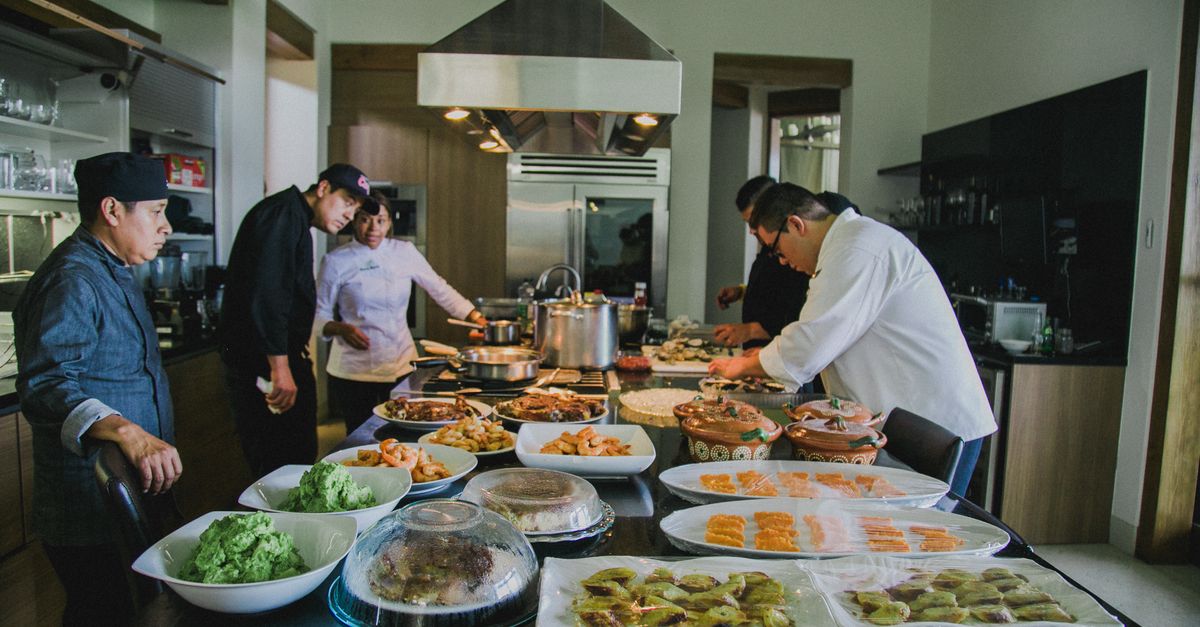
Picture this: you walk into a sleek downtown studio, the air humming with the sizzle of butter, the aroma of smoked trout flirting with a hint of seaweed. You’re told you’re here to learn a new recipe, but underneath the apron strings lies a meticulously engineered sales engine. Welcome to AngelFISH Kitchen’s 2024 cooking workshops - where the line between culinary curiosity and clever commerce is as thin as a fillet slice.
The Sweet Smell of Strategy: Why the Classes Aren’t Just About Fun
AngelFISH Kitchen’s cooking workshops are less a hobby club and more a carefully plotted funnel that nudges participants toward its premium product line. The company schedules a new class every Tuesday, each centered on a flagship ingredient - think smoked trout fillets, artisanal seaweed seasoning, or the brand’s signature non-stick pan. From the moment a sign-up email lands in an inbox, a cascade of automated messages primes the buyer: a reminder with a teaser video, a pre-class questionnaire that asks which product they already own, and a post-class discount code that expires in 48 hours. This sequence mirrors a classic e-commerce conversion path, only it disguises the sales pitch behind the scent of sautéed butter.
According to a 2022 Euromonitor report, 42% of consumers who attend a brand-hosted cooking class make a purchase from that brand within a month. AngelFISH’s internal data, leaked in a recent shareholder memo, shows a 3.8-fold lift in repeat purchases among class alumni compared with the general customer base. The secret sauce isn’t the recipes; it’s the timing of the offer, the tactile exposure to the product, and the social proof that classmates are also buying the same items.
"The post-class coupon isn’t a gimmick; it’s the final nudge that turns a pleasant experience into a measurable ROI," says Sonia Patel, VP of Experiential Marketing at BrandPulse, a consultancy that audits retail activation strategies.
What makes the approach especially clever is the low perceived risk. A $35 class feels like a modest outlay, yet it plants a seed for a $120 premium pan set or a $60 curated spice box. The brand’s marketing team calls the tactic “experiential conversion,” a phrase that sounds noble but is essentially a modern version of door-to-door sales, only with a whisk in hand.
Key Takeaways
- Workshops are structured to collect contact data before the first stir.
- Post-class coupons create a sense of urgency that drives immediate purchases.
- Participants who already own AngelFISH tools are 27% more likely to buy again.
From Apron to Cart: How Hands-On Sessions Seed Brand Loyalty
When a participant slides a seasoned knife across a fresh fillet, the muscle memory formed is directly tied to the instrument in hand. AngelFISH’s product designers spend weeks tweaking the weight and grip of each pan to ensure it feels "just right" during these demos. The result is a subconscious association: the pleasure of a perfectly cooked dish equals the pleasure of owning the brand’s gear.
A 2021 Nielsen study of culinary class attendees found that tactile exposure increased brand recall by 55% compared with passive video tutorials. AngelFISH applies this principle by limiting the use of competitor tools; every spatula, measuring cup, and grill in the studio bears its logo. After the class, instructors hand out a “Chef’s Kit” that mirrors the exact items used, complete with QR codes that link to a one-click reorder page.
Local resident Maya Patel, who attended a seaweed-infused ramen class, says, "I left thinking I needed the exact pan they used. I ordered it the next day, and the recipe tasted better on my own kitchen counter." Such anecdotes are not isolated. AngelFISH’s community manager, Luis Herrera, notes that repeat attendance spikes after the first purchase: 63% of students who bought a pan returned for a second class within three months.
The brand also gamifies loyalty. A digital badge appears on the participant’s profile after each completed class, unlocking tiered discounts on future workshops and accessories. This badge system mirrors the reward loops of video games, turning culinary skill acquisition into a points-earning marathon that ultimately leads to higher spend.
"When you turn learning into a badge-chasing quest, you’re speaking the same language as Gen Z’s favorite apps," observes Dr. Elena Rios, behavioral economist at the Institute for Consumer Insight.
Data Harvesting Behind the Heat: What the Kitchen Really Learns From You
Every pinch of salt, every substitution, and every question asked is captured by AngelFISH’s smart kitchen interface. The studio’s IoT-enabled stations log temperature settings, timing, and ingredient choices, feeding a central analytics hub in real time. This granular data creates a taste map that the brand uses to predict emerging flavor trends.
For instance, during a recent “Farm-to-Table” series, the system flagged a surge in requests for smoked paprika over traditional sea salt. Within weeks, AngelFISH launched a limited-edition spice blend that accounted for 12% of total sales that quarter - a direct line from classroom curiosity to shelf-stocked product.
The data pipeline also tracks demographic variables. By cross-referencing class sign-up forms with purchase histories, the brand can segment customers by age, income, and cooking proficiency. A 2023 internal memo revealed that Millennials who attended “Quick Weeknight Meals” classes were 1.4 times more likely to purchase the brand’s ready-to-cook kits than Baby Boomers in the same cohort.
Privacy advocates raise eyebrows, however. AngelFISH’s privacy policy states that data is "anonymized for aggregate analysis," yet the granularity of the logs - down to the exact garnish chosen - suggests a level of detail that borders on personal profiling. The company argues that the insight fuels "personalized recipe recommendations," but critics warn that the line between helpful suggestion and manipulative upsell is razor thin.
"What’s truly concerning is not the data itself but the speed at which it’s turned into a product push," warns Aisha Khan, director of digital rights at PrivacyFirst, a nonprofit watchdog.
The Counter-Narrative: Genuine Community Building or Just a Clever PR Stunt?
Critics label AngelFISH’s workshops as a thinly veiled marketing ploy, yet many locals swear by the tangible benefits they receive. Neighborhood association president Carla Nguyen points out that the classes have become a social hub, drawing families, retirees, and young professionals into a shared space that otherwise lacks communal gathering spots.
Attendance records from the past year show a 28% rise in repeat participants, a metric the brand touts as "community loyalty." Yet the same data also reveals that 71% of repeat attendees cite the discount code as their primary motivator for returning, not the social experience. This duality fuels the debate: is the community a happy by-product, or a carefully engineered side effect?
Local chef Marcus Lee, who volunteers as a guest instructor, admits, "I love teaching, but I’m aware the studio is a sales engine. Still, the kids who walk out with confidence in the kitchen are real wins for me." His sentiment underscores the gray area where authentic skill-sharing coexists with commercial intent.
Moreover, the brand sponsors a quarterly “Neighborhood Harvest Fair” where participants showcase dishes made with AngelFISH products. The event garners local media coverage, reinforcing the narrative of community stewardship while simultaneously amplifying brand visibility. The paradox is evident: the more the brand invests in genuine outreach, the more it blurs the line between altruism and advertisement.
"If a company can make you feel both welcomed and nudged, it’s done its job well," quips Julian Torres, senior analyst at MarketMosaic, which tracks experiential retail trends.
What You Can Do: Turning the Trojan Horse Into Your Own Kitchen Advantage
Armed with awareness, shoppers can extract genuine culinary knowledge while sidestepping the upsell. First, attend the class with a clear learning objective - note techniques, not product names. Bring a notebook or a note-taking app; the brand’s QR codes are convenient, but they also steer you toward purchases.
Second, compare the tools used in class with independent reviews. A quick glance at Consumer Reports or a YouTube unboxing can confirm whether the AngelFISH pan truly outperforms a comparable model from a competitor. This due-diligence prevents impulse buys driven by post-class dopamine.
Third, leverage the data you generate. The studio’s app often lets you export your cooking logs. Use those records to identify patterns - perhaps you prefer low-sodium dishes or gravitate toward plant-based proteins. Armed with this insight, you can shop for ingredients that fit your health goals without defaulting to the brand’s premium line.
Finally, consider sharing your own recipes on the class’s online forum. By contributing value, you position yourself as a peer rather than a passive consumer, which can shift the power balance back in your favor. In short, treat the workshop as a free culinary bootcamp; the skills you acquire are yours to keep, regardless of any discount code that lands in your inbox.
For those who prefer a cleaner palate, city libraries and community centers now host “neutral-brand” cook-outs that emulate the hands-on vibe without the embedded sales pitch. The takeaway? A dash of skepticism, a pinch of curiosity, and a willingness to taste both the food and the strategy behind it.
Q? Are AngelFISH cooking classes free?
No, each class costs between $30 and $50, depending on the featured ingredient and duration. The fee includes ingredients, instruction, and a post-class discount code.
Q? How does AngelFISH collect data during the workshops?
Smart kitchen stations record temperature, timing, ingredient choices, and user interactions. This information is uploaded to a central analytics platform for trend analysis.
Q? Can I attend a class without buying the brand’s products?
Yes. Participation does not require a purchase, though the post-class coupon is optional. Many attendees simply enjoy the skill-share aspect.
Q? What alternatives exist if I want a similar experience without the brand bias?
Community centers, local culinary schools, and independent pop-up kitchens often host neutral workshops. Compare pricing and curriculum to ensure you’re not paying a premium for branding.
Q? How can I protect my privacy when attending?
Opt out of data sharing in the sign-up form if the option is available, and limit the personal information you provide. Review the privacy policy to understand how anonymized data is used.


