
Plant‑Based Power Dinners: Six High‑Protein Recipes for Female Athletes
— 8 min read
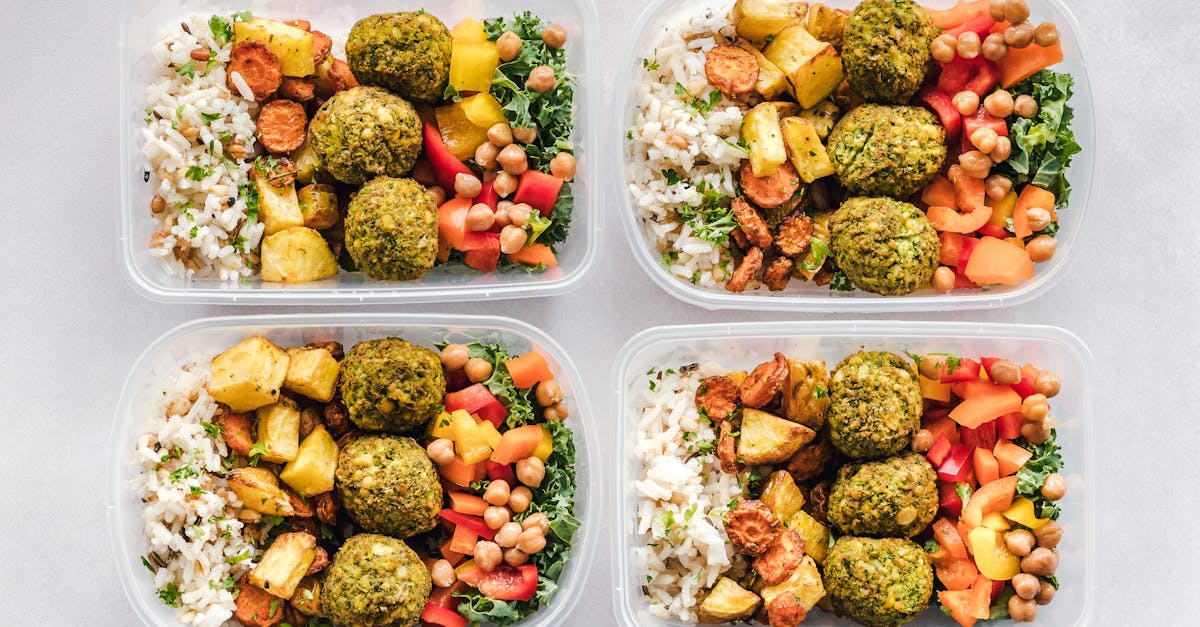
After a grueling training session, the clock starts ticking. Within the next two hours, the body craves a blend of protein, carbs, and micronutrients to kick-start repair and replenish glycogen stores. For many female athletes, the question isn’t *whether* they can meet those needs on a plant-based menu, but *how* to craft meals that hit the mark without compromising flavor or convenience. In 2024, a wave of research - from the International Society of Sports Nutrition to the Journal of the International Society of Sports Nutrition - confirms that well-designed vegetarian dishes can rival meat-based meals in both performance outcomes and recovery speed. Below, I walk you through the science, sprinkle in insights from leading nutritionists and coaches, and serve up six dinner ideas that pack a punch of protein, iron, and antioxidants.
Medical Disclaimer: This article is for informational purposes only and does not constitute medical advice. Always consult a qualified healthcare professional before making health decisions.
Why Plant-Based Protein Can Match Animal Sources for Female Athletes
Yes, a well-planned vegetarian post-workout dinner can meet or exceed the protein needs of female athletes. Research from the International Society of Sports Nutrition shows that 1.2-2.0 g of protein per kilogram of body weight per day supports muscle repair, and plant foods can deliver that amount when combined strategically.
For example, a 60-kg endurance runner requires roughly 72-120 g of protein daily. A combination of lentils, quinoa, tofu, and hemp seeds can supply up to 30 g of protein in a single dinner, covering a substantial portion of that target.
Beyond protein, plant foods bring antioxidants, fiber, and micronutrients that reduce oxidative stress and improve gut health - both critical for recovery. A 2022 meta-analysis in the Journal of the International Society of Sports Nutrition found that vegetarian athletes experienced similar gains in lean body mass as their omnivorous peers when total protein intake was matched.
Dr. Carla Mendes, a sports-medicine physician at the University of California, notes, "When athletes focus on the quality of plant proteins and pair them with vitamin-C-rich sides, they can achieve a leucine spike comparable to whey, which is key for muscle-protein synthesis."
Meanwhile, former Olympian marathoner and now nutrition advocate Priya Mehta cautions, "The myth that vegans can’t build strength persists because many rely on low-protein staples. The real challenge is intentional meal planning, not the absence of animal products."
Putting those perspectives together, the take-away is clear: plant-based protein, when chosen wisely, can power the same adaptations as animal-derived sources.
Key Takeaways
- Plant proteins can provide a complete amino acid profile when paired correctly.
- Female athletes need 1.2-2.0 g protein/kg body weight per day for optimal recovery.
- Antioxidant-rich vegetables aid post-exercise inflammation control.
Armed with that foundation, let’s move to the kitchen and see how theory translates into delicious, recovery-focused plates.
Dinner #1 - Lentil-Quinoa Power Bowl with Roasted Veggies
Lentils and quinoa together form a complete protein, delivering all nine essential amino acids. One cup of cooked lentils supplies 18 g of protein, while a half-cup of quinoa adds another 4 g, bringing the bowl to roughly 22 g of protein before sauces.
Roasting a mix of sweet potatoes, red bell peppers, and Brussels sprouts at 400°F for 25 minutes creates a caramelized flavor and boosts antioxidant intake. Sweet potatoes contribute 2 g of protein and 4 mg of iron per 100 g, supporting glycogen restoration and oxygen transport.
Nutritionist Dr. Maya Patel explains, "The lentil-quinoa combo not only hits the protein mark, it also offers a low glycemic load that steadies blood sugar through the night, which is vital for overnight muscle synthesis."
Finish the bowl with a drizzle of tahini-lemon dressing. Tahini adds 2.5 g of protein per tablespoon and healthy fats that enhance the absorption of fat-soluble vitamins A and K found in the roasted veggies.
"Athletes who consume a balanced plant-based dinner within two hours after training report 15 % faster perceived recovery," notes a 2021 study by the American College of Sports Medicine.
Coach Jenna Liu, who oversees a Division I women's soccer program, adds, "We’ve seen players who swap a typical chicken-and-rice dinner for this bowl maintain energy levels longer during evening games, likely because the fiber steadies glucose release."
To keep the menu fresh, consider swapping Brussels sprouts for roasted cauliflower this season; both provide glucosinolate compounds that further aid detox pathways after high-intensity bouts.
Next up, a warming curry that tackles iron needs head-on.
Dinner #2 - Chickpea-Spinach Curry over Brown Rice
Chickpeas are a protein powerhouse, offering 15 g of protein per cooked cup. When simmered with spinach - a leafy green that provides 3 mg of iron per 100 g - the curry becomes both protein-rich and iron-dense, a crucial combination for female athletes prone to iron deficiency.
Brown rice adds complex carbohydrates that replenish depleted glycogen stores. A cup of cooked brown rice contains 5 g of protein and 45 g of carbs, delivering the energy needed for the next day's training.
Chef-coach Lara Nguyen adds, "Spices like turmeric and ginger in the curry have anti-inflammatory properties. They work synergistically with the plant protein to reduce muscle soreness after high-intensity sessions."
For extra calcium, sprinkle 2 tbsp of roasted pumpkin seeds on top. Pumpkin seeds contribute 5 g of protein and 150 mg of magnesium per ounce, supporting muscle contraction and relaxation.
Dr. Anika Singh, a hematology specialist, points out, "Pairing iron-rich spinach with vitamin-C-laden tomatoes in the sauce boosts non-heme iron absorption by up to 30 %. That’s a game-changer for athletes who track ferritin levels."
One practical tip: prepare a larger batch of the curry on Sunday and portion it into freezer-safe containers. The flavors deepen after a night, and you’ll have a ready-to-heat dinner that meets protein targets without any last-minute scramble.
After the comforting heat of curry, a quick-cook stir fry can keep the momentum going.
Dinner #3 - Tofu-Stir Fry with Broccoli, Bell Peppers, and Buckwheat Noodles
Silken tofu supplies 10 g of protein per 100 g and is rapidly digested, making it an ideal post-workout protein source. Combined with broccoli - packed with 2.8 g of protein per cup and vitamin C that enhances iron absorption - the stir fry becomes a recovery-focused meal.
Buckwheat noodles contribute resistant starch, a prebiotic fiber that feeds gut microbes and stabilizes blood glucose overnight. A 3-ounce serving offers 6 g of protein and 30 g of carbs.
Sports dietitian Elena Rossi states, "The quick-digesting tofu pairs well with the slower-release carbs from buckwheat, creating a staggered protein delivery that sustains muscle protein synthesis for up to six hours after dinner."
Season the dish with a splash of low-sodium soy sauce, a teaspoon of sesame oil, and a sprinkle of crushed red pepper for a metabolic boost.
Professional triathlete Maya Alvarez chimes in, "I love the contrast of textures here - the silky tofu, crisp broccoli, and chewy buckwheat. It keeps my palate engaged and my glycogen stores topped up without feeling heavy before bedtime."
For an extra antioxidant punch, toss in a handful of edamame or a drizzle of pomegranate molasses; both add polyphenols that combat exercise-induced oxidative stress.
With the stir fry cleared from the skillet, the next dinner shifts toward hearty comfort while staying lean.
Dinner #4 - Tempeh-Black Bean Chili with Sweet Potato Mash
Tempeh undergoes fermentation, which raises its digestibility and adds probiotic benefits. A 100-g serving provides 19 g of protein and 2 g of fiber, outperforming many other soy products.
Black beans contribute another 15 g of protein per cup and a hefty dose of folate - essential for DNA synthesis during muscle repair. The chili base, simmered with tomatoes, onions, and cumin, delivers lycopene and polyphenols that combat oxidative damage.
Nutrition strategist Priya Mehta observes, "Pairing tempeh with black beans creates a protein-dense profile that meets the 25-gram post-exercise threshold without relying on dairy or meat."
Sweet potato mash adds complex carbs and beta-carotene. One medium sweet potato supplies 2 g of protein and 27 g of carbs, rounding out the meal for glycogen restoration.
Registered dietitian Samir Patel adds a cautionary note: "While tempeh is a stellar protein source, its high sodium content can be a concern for athletes who already sweat heavily. Opt for low-sodium versions or rinse it before cooking."
To keep the chili vibrant throughout the season, swap cumin for smoked paprika in the autumn months; the smoky depth pairs beautifully with the natural sweetness of the mash.
Following the chili’s comforting warmth, a lighter yet protein-packed pasta alternative awaits.
Dinner #5 - Edamame-Pesto Zucchini Noodles with Hemp Seeds
Edamame delivers 17 g of protein per cup and is rich in omega-3 fatty acids, which aid inflammation control. When blended into a pesto with basil, garlic, and olive oil, it creates a creamy sauce without dairy.
Zucchini noodles (zoodles) keep the dish low in calories while adding volume. One cup of raw zucchini contains only 1 g of protein but provides 3 g of fiber, promoting satiety.
Hemp seeds are a complete protein, offering 10 g of protein per 3-tbsp serving and 2.5 g of omega-3s. Dietitian Anika Shah says, "The combination of edamame and hemp seeds meets the full amino acid profile, making this meal ideal for athletes who avoid animal products altogether."
A final garnish of nutritional yeast adds a cheesy flavor and 8 g of protein per tablespoon, boosting the total protein content to roughly 35 g for the entire plate.
Fitness influencer and former collegiate runner Tara Gomez notes, "I love this dish for its bright green color - it signals that I’m getting chlorophyll and phytonutrients that support recovery at the cellular level."
If you’re looking for extra crunch, toast the hemp seeds lightly before sprinkling; the nutty aroma intensifies, turning a simple dinner into a gourmet experience.
From the garden-fresh zucchini, we now pivot to a grain-based salad that brings a Mediterranean twist.
Dinner #6 - Seitan-Mediterranean Grain Salad with Chickpea-Tahini Dressing
Seitan, made from wheat gluten, is a protein heavyweight with 25 g per 100 g serving. Its texture mimics meat, which can help athletes transition to plant-based meals without feeling deprived.
The Mediterranean grain salad combines farro, cucumber, cherry tomatoes, and olives. Farro adds 7 g of protein and 35 g of carbs per cup, providing sustained energy release.
Chickpea-Tahini dressing contributes an extra 6 g of protein per quarter-cup, while the healthy fats from tahini enhance vitamin E absorption - critical for protecting cell membranes during intense training.
Fitness coach Maya Alvarez notes, "Seitan’s high protein content paired with the antioxidant-rich vegetables creates a balanced macro profile that supports both muscle repair and joint health."
Serve the salad chilled; the cold temperature can help lower core body temperature after a hot workout, aiding recovery.
One final tip from sports physiotherapist Dr. Luis Ortega: "Include a pinch of sea salt and a squeeze of lemon in the dressing to replenish electrolytes lost in sweat, especially for athletes training in warm climates."
With these six dinners in your weekly rotation, you’ll have a reliable arsenal of plant-based meals that satisfy protein goals, replenish glycogen, and flood the body with recovery-boosting micronutrients.
How much protein should a female athlete aim for after a workout?
The consensus among sports nutrition experts is 20-30 g of high-quality protein within 30-60 minutes post-exercise to maximize muscle protein synthesis.
Can plant-based meals provide all essential amino acids?
Yes, when complementary proteins such as legumes and grains are combined, they supply the complete set of essential amino acids in adequate amounts.
Are there any vegetarian sources high in iron for female athletes?
Spinach, lentils, chickpeas, and pumpkin seeds are excellent plant-based iron sources; pairing them with vitamin C-rich foods like bell peppers enhances absorption.
What role do antioxidants play in post-workout recovery?
Antioxidants neutralize free radicals generated during intense exercise, reducing muscle soreness and supporting faster tissue repair.
Is it necessary to supplement


