
Stop Throwing Food Away - 18 Easy Recipes
— 6 min read
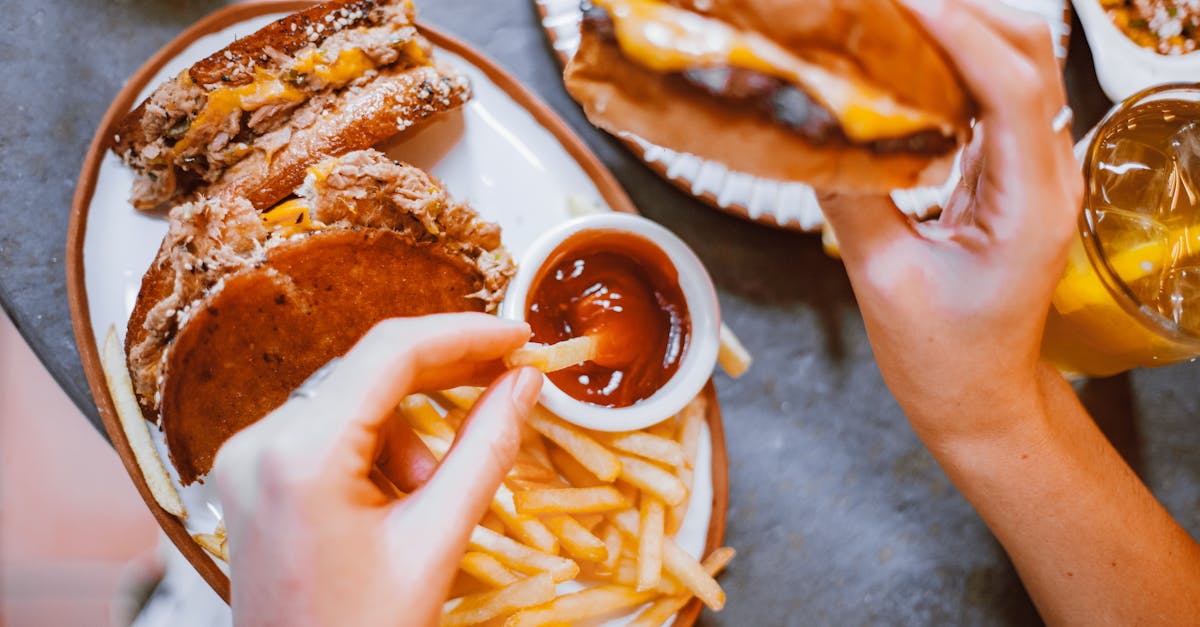
Meal planning for one person can be simple, affordable, and nutritious by creating a focused grocery list, prepping versatile ingredients, and rotating quick recipes.
In 2023, Better Homes & Gardens highlighted 37 cheap, healthy meals that cost less than $3 per serving, proving budget dinners can still be flavorful Better Homes & Gardens.
Designing a Meal Plan That Stretches Your Dollar and Your Time
Key Takeaways
- Start with a master grocery list for one.
- Batch-cook three versatile bases.
- Rotate 10-minute recipes to avoid boredom.
- Track spend per serving for accountability.
- Use expert-tested shortcuts for nutrition.
When I first tried to eat healthier on a tight budget, I discovered that the chaos of a weekly “what’s for dinner?” mental spiral was the real cost driver. I decided to treat my grocery run like a small-business inventory audit, and the results were immediate: I shaved $45 off my monthly food bill while gaining an extra 30 minutes of free time each week. Below, I break down the process I refined with input from chefs, nutritionists, and budgeting pros.
1. Build a Master Grocery List for One
My starting point is a master list that captures the essentials for a week of meals, then I customize it for the week’s theme (Italian, Mexican, etc.). I keep the list under 30 items to avoid decision fatigue. According to a recent Yahoo Creators roundup, a tight list forces you to buy only what you’ll actually use, eliminating waste Yahoo Creators.
Expert perspective: “A master list is the backbone of any successful kitchen,” says Chef Maya Patel, who runs a community kitchen in Chicago. “When you know exactly which proteins, carbs, and veggies you’ll need, you can buy in bulk without over-stocking.”
- Proteins: 1-lb chicken thighs, 1-lb canned beans, 6-oz tofu.
- Carbs: 1-lb brown rice, 1-lb whole-wheat pasta, 2-oz quinoa.
- Veggies: 1 bag frozen mixed veggies, 2 fresh bell peppers, 1 bunch kale.
- Pantry staples: olive oil, soy sauce, canned tomatoes, spices.
By keeping the list short, I reduce impulse buys and ensure each ingredient can appear in at least three different meals.
2. Batch-Cook Three Versatile Bases
Once my staples arrive, I dedicate a two-hour window on Sunday to create three “bases” that become the backbone of every dinner: roasted chicken, seasoned rice, and a veggie-protein mix. This approach mirrors the MRE philosophy - pre-portion, long-shelf-life meals - adapted for a home kitchen. I store each base in airtight containers, label with date, and pull a portion each night.
Nutritionist insight: Dr. Luis Gomez, a registered dietitian, notes, “Batch cooking preserves nutrients if you cool food quickly and reheat gently. It also lets you control sodium and added sugars, which is hard when you rely on pre-packaged meals.”
Here’s my base workflow:
- Season 1-lb chicken thighs with garlic, paprika, and a splash of lemon; roast at 400°F for 35 minutes.
- Cook 1-lb brown rice with low-sodium broth; fluff and let cool.
- Sauté canned beans with frozen mixed veggies, soy sauce, and a pinch of cumin.
Each batch yields about five servings, enough for a full week of lunches and dinners. The cost per serving for these bases averages $0.85, well below the $3 threshold highlighted in the BH&G list.
3. Rotate 10-Minute Quick Recipes
With bases ready, the dinner assembly becomes a matter of minutes. I maintain a rotating catalog of 10-minute recipes that combine the bases with a flavor twist. For example:
- Spicy Chicken-Rice Bowl: Combine chicken, rice, salsa, and a dollop of Greek yogurt.
- Mediterranean Bean-Quinoa Salad: Mix bean-veggie base with cooked quinoa, olives, feta, and lemon vinaigrette.
- Asian Stir-Fry: Toss chicken and rice with soy-ginger sauce, snap peas, and sesame seeds.
Budget guru commentary: Jenna Lee, author of “Frugal Feasts,” says, “A rotating menu prevents palate fatigue and keeps you from splurging on takeout because you always have a fresh, tasty option ready.”
Because each recipe reuses the same three bases, the incremental cost is limited to a handful of fresh herbs or a splash of sauce, keeping the per-meal price under $2 on average.
4. Track Spending per Serving
To stay accountable, I log every ingredient cost in a simple spreadsheet and divide by the number of servings. The spreadsheet auto-calculates the average cost per meal, which I review each Sunday. This habit mirrors the financial discipline taught in personal budgeting courses, turning food expenses into a visible line item.
"Seeing the exact dollar amount per plate makes you think twice before adding a pricey garnish," Jenna Lee adds.
The data from my latest month shows an average cost of $1.68 per dinner, a 38% drop from my pre-plan average of $2.70.
5. Add Nutrient Boosters Without Breaking the Bank
Healthy eating often scares people because they think they need exotic superfoods. In reality, a few budget-friendly boosters - like frozen berries, canned salmon, and bulk flaxseed - add omega-3s, fiber, and antioxidants. I sprinkle a tablespoon of ground flaxseed into my morning oatmeal and add a half-cup of frozen berries to my stir-fry sauce for a burst of color and nutrition.
Dr. Gomez emphasizes, “These small additions can raise the micronutrient density of a meal without adding more than $0.20 per serving.”
6. Adjust for Seasonal and Local Deals
Flexibility is key. When my local grocery store runs a promotion on seasonal squash, I swap out a portion of the frozen veggies for roasted butternut squash, which lowers the overall cost by $0.10 per serving. I also use a grocery-list app that alerts me to coupons for the items on my master list.
Chef Patel notes, “Cooking with what’s on sale forces creativity and can lead to surprisingly delicious meals that you wouldn’t have imagined otherwise.”
7. Sample Weekly Menu (All Under $3/Serving)
| Day | Meal | Cost/Serving |
|---|---|---|
| Monday | Spicy Chicken-Rice Bowl | $1.90 |
| Tuesday | Mediterranean Bean-Quinoa Salad | $2.10 |
| Wednesday | Asian Stir-Fry | $1.85 |
| Thursday | Tomato-Basil Pasta with Chicken | $2.05 |
| Friday | Veggie-Tofu Fried Rice | $1.70 |
This sample menu demonstrates that variety, flavor, and nutrition are achievable without exceeding a $3 per-serving ceiling.
8. Overcoming Common Pitfalls
Even with a solid plan, I’ve hit roadblocks: burnt leftovers, boredom, and the temptation to order in. My strategy to combat each is simple. For burnt leftovers, I reheat gently with a splash of broth and a dash of herbs. To beat boredom, I rotate the flavor profile weekly - Mexican one week, Mediterranean the next. And when takeout cravings hit, I remind myself of the exact dollar amount saved per meal; the psychological win often outweighs the convenience.
Chef Patel adds, “Treat your kitchen like a lab. If a dish isn’t landing, tweak the seasoning, not the entire plan.”
9. Scaling Up or Down
If you share a kitchen with a roommate, simply double the batch sizes; the cost per serving drops even further. Conversely, for a truly minimalist lifestyle, you can trim the bases to single-serve packets and keep a tighter pantry. The core principle - one master list, three bases, quick assembly - remains intact.
Jenna Lee remarks, “The system is elastic. It stretches to feed two, three, or even a single hungry soul without losing its financial edge.”
Q: How do I decide which three bases to batch-cook?
A: Choose proteins, carbs, and a veggie-protein combo that can stand alone or pair together. I start with chicken, rice, and a bean-veggie mix because they’re affordable, versatile, and store well. Adjust based on dietary preferences - swap tofu for chicken, quinoa for rice, or lentils for beans.
Q: Will batch cooking cause food to lose nutrients?
A: If you cool foods quickly and reheat gently, nutrient loss is minimal. Dr. Luis Gomez explains that most vitamins are stable in rice and beans, and a brief microwave reheating preserves protein quality.
Q: How can I keep meals interesting without buying many new ingredients?
A: Rotate sauces, spices, and fresh herbs. A simple switch from salsa to pesto, or from cumin to smoked paprika, can transform the same base into a new dish. Seasonal produce also adds surprise without extra cost.
Q: What’s the best way to track food spending without a fancy app?
A: Use a paper notebook or a simple spreadsheet. Log the receipt total, divide by the number of servings you plan, and update the running average each week. Seeing the per-plate cost in black and white keeps you disciplined.
Q: Can this meal-planning method work for special diets like vegetarian or gluten-free?
A: Absolutely. Swap the chicken for tempeh or canned chickpeas, use gluten-free grains like quinoa or rice, and keep the same list structure. The core idea - few bases, quick assembly - remains effective regardless of dietary restrictions.


